Compare direct timber sourcing with local distributors on hardwood prices, order quantities, delivery, logistics, and supplier access.
A local timber distributor is often the best choice when the required material is already available nearby and imminent delivery is a must. Direct timber sourcing at origin, on the other hand, is particularly suitable when buyers need specific products, custom processing, or volumes that regional warehouses may struggle to get or simply find inconvenient to keep in stock.
Both options are widely used in the timber trade. The right choice depends on product requirements, order volume, delivery timelines, and the buyer’s capacity to manage different stages of the sourcing process.
For businesses purchasing tropical hardwoods from Indonesia, Malaysia, and Thailand, this decision can significantly affect product availability, supply reliability, and the total cost of procurement.
1. What is direct timber sourcing at origin?
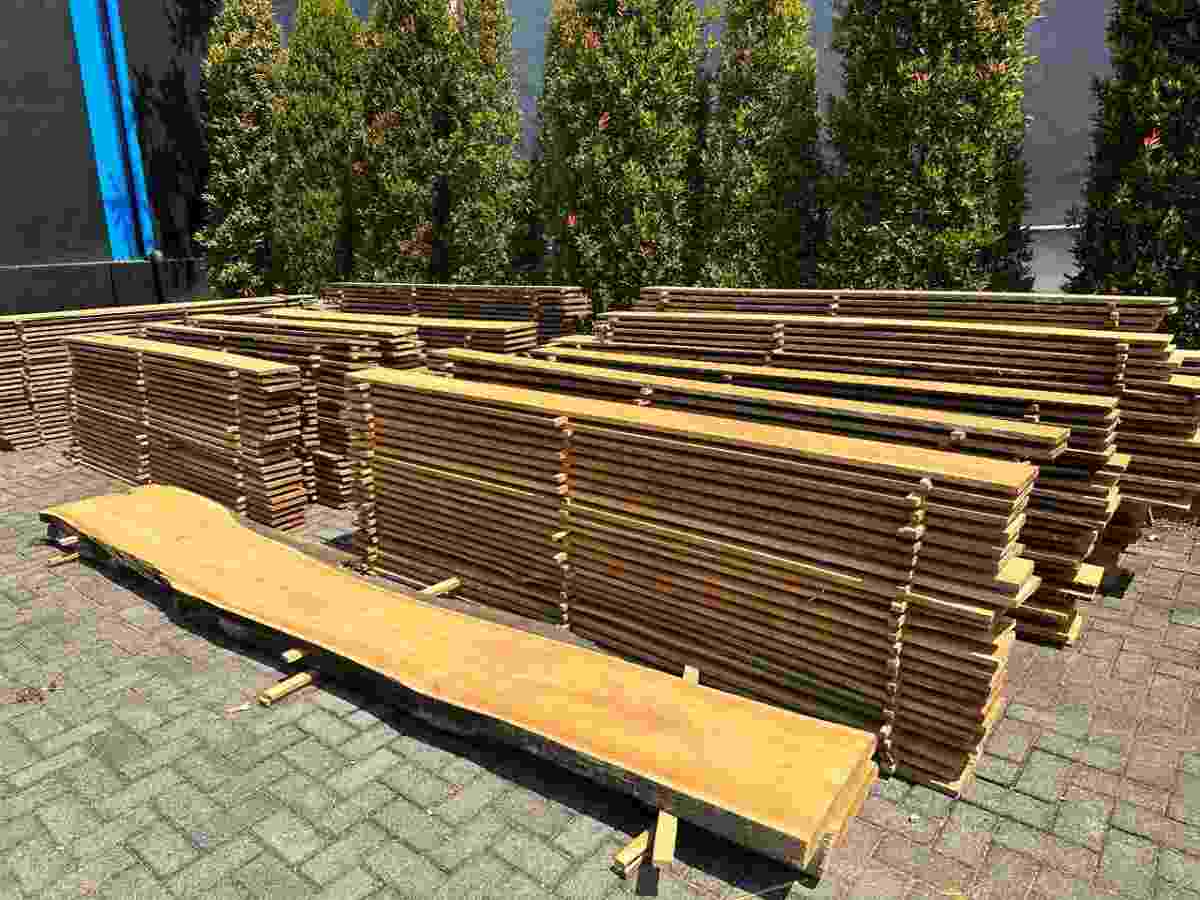
Direct sourcing means purchasing timber from a manufacturer, sawmill, or exporter without going through a local distributor. Buyers can communicate directly with the supplier to define product specifications, quantities, prices, and delivery terms.
The main advantage is direct access to supply information. Buyers can discuss available wood species, dimensions, quality grades, processing methods, and production schedules. For recurring purchases or larger volumes, this direct communication can also support more effective medium-term supply planning.
However, direct importing requires careful preparation. Depending on the agreed Incoterms and delivery conditions, buyers may need to manage international shipping, customs clearance, documentation, insurance, and inland transportation. Minimum order quantities and production lead times also affect whether this approach is practical.
Buying directly does not automatically mean paying less. Before making a decision, buyers should compare the total landed cost with that of an equivalent local offer.
2. Why buy from a local timber distributor?
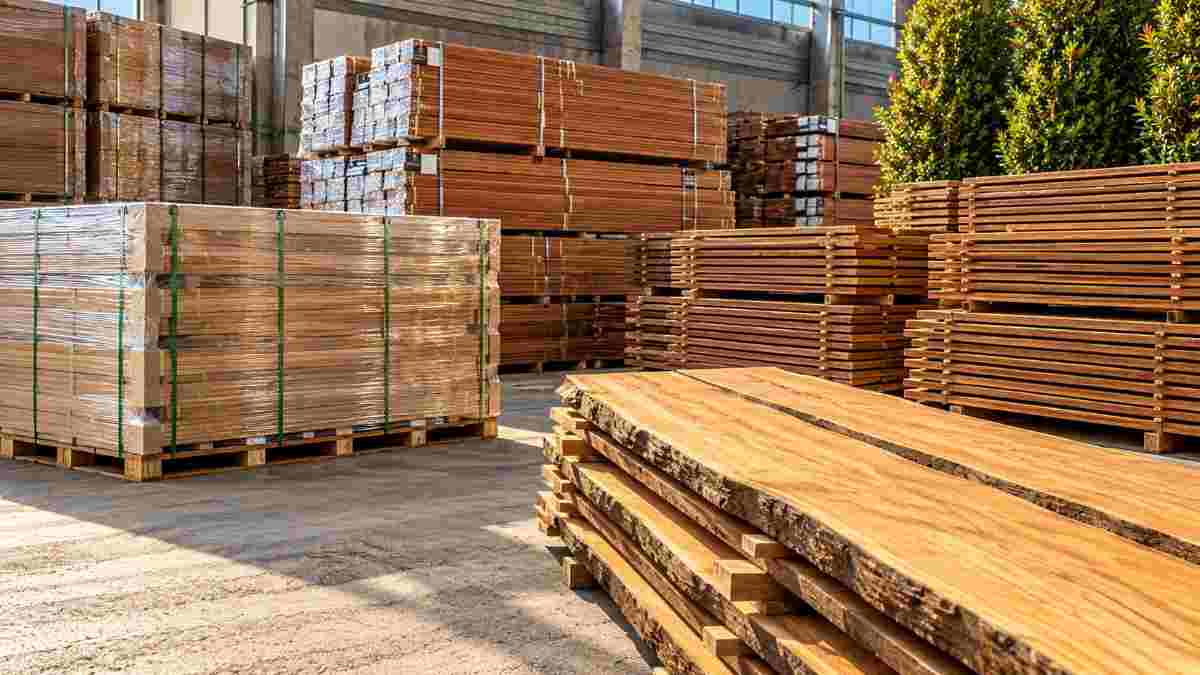
A local distributor purchases timber from producers or upstream suppliers and resells it in the local market. For buyers, this means access to timber that has already been imported or is available in stock, without necessarily having to arrange an international shipment themselves.
This option is particularly useful when a business needs:
- Small quantities of timber
- Frequent and flexible replenishment
- Short delivery times
- Simpler logistics management
- Material that is immediately available for ongoing production
In some cases, buyers can also inspect the timber before purchasing, depending on the distributor’s operating procedures.
The main limitation is availability. A distributor may not stock the required species, dimensions, quality grade, or volume. Orders involving specific requirements may therefore take additional time, while the selling price generally reflects importation, storage, and distribution costs.
For smaller businesses, these additional costs may be justified by the ability to purchase smaller quantities, limit inventory, and reduce administrative complexity.
3. What are the limitations of relying exclusively on local distributors?
Local distributors are an important resource for meeting immediate supply needs. However, relying exclusively on this channel can become restrictive when product requirements are highly specific or recurring.
- Limited product range. Buyers are generally restricted to the materials already available in stock. The required wood species, dimensions, quality grade, or processing specifications may not be available.
- Compromises on specifications. When stock is limited, buyers may need to accept a product that is similar to, but not exactly what they requested. This can mean different dimensions, broader quality tolerances, or additional downstream processing.
- Less control over recurring supply. Businesses with planned purchasing requirements may benefit from communicating directly with suppliers about availability, specifications, and production schedules. Local stock alone may not be sufficient to support long-term supply continuity.
- Limited price comparison opportunities. Buyers who only consider local offers may overlook direct sourcing alternatives that better match their product specifications, quantities, and purchasing schedules.
Local distribution remains essential. The limitation is not buying from a distributor, but failing to consider other options when the local market cannot fully meet business requirements.
4. How to compare costs: beyond the price of timber
The price per cubic metre is important, but it is not enough on its own to determine whether a purchase is cost-effective.
For direct sourcing, relevant costs may include:
- Timber purchase price
- Export packaging
- International freight
- Insurance
- Applicable duties and customs charges
- Inland transportation and handling
- Storage and working capital tied up in inventory
When buying from a local distributor, some of these costs are generally already included in the selling price. Buyers should still check for delivery charges, minimum order quantities, payment terms, and actual stock availability.
For a meaningful comparison, both offers should be based on equivalent conditions:
- The same wood species and product specifications
- Comparable dimensions, quality grades, moisture content, and processing
- Equivalent order quantities
- Clearly defined delivery terms
- Identified additional costs and logistics responsibilities
A direct offer may initially appear more competitive but become less attractive once all costs required to bring the timber to its destination are included. Conversely, a local offer may have a higher unit price while providing faster availability and lower inventory requirements.
The best option is the one that meets your business requirements at an acceptable total cost, taking into account lead times, availability, and the resources needed to manage the order.
5. When does direct sourcing make more sense?
Direct sourcing is particularly attractive to businesses purchasing significant volumes of timber or operating with predictable, recurring demand.
Consider a decking importer preparing for the next season. Contacting producers and exporters in advance can help the buyer assess availability, define specifications, evaluate volumes, and agree on production and shipping schedules before confirming an order.
This approach is also useful for manufacturers that require technical characteristics, dimensions, or processing that are difficult to find in local warehouses.
To achieve satisfactory results, buyers must carefully evaluate suppliers and agree in advance on product specifications, payment terms, quality control criteria, and delivery responsibilities.
International orders require realistic planning. Production, documentation, and transportation can all affect procurement lead times and, consequently, the commitments a business makes to its own customers. For the practical steps involved, see how to find EUDR compliant timber suppliers.
6. When is a local distributor the better choice?
Local distribution is often the most suitable solution when demand is limited, unpredictable, or urgent.
For example, a furniture manufacturer may need additional timber to complete an order already in production. If a local distributor has suitable material in stock, purchasing locally can prevent production delays and avoid the need to place a larger import order.
Businesses with limited warehouse space may also benefit from smaller, more frequent purchases, avoiding excessive inventory and unnecessary working capital commitments.
In these situations, operational continuity may matter more than the unit price. A slightly higher local price can be justified if it reduces storage costs, simplifies replenishment, or keeps production running.
The decision should therefore be based not only on price, but also on the overall value of the solution for the business.
7. How Green Trade Hardwood and Catastico support timber sourcing
Finding potential suppliers is only the first step. To evaluate a commercial opportunity properly, buyers need clear information about timber characteristics, available quantities, and supply conditions.
Green Trade Hardwood (GTH) supports professional timber sourcing and commercial connections between buyers and suppliers, including businesses in Southeast Asia. This approach is particularly relevant for companies that have already defined their requirements and want to explore direct sourcing channels, including international markets.
Catastico, GTH’s B2B marketplace, provides a digital channel through which buyers can:
- Discover timber product listings
- Review published product specifications
- Submit structured commercial enquiries and RFQs (Requests for Quotation)
For businesses exploring new supply opportunities, Catastico offers a starting point for looking beyond the inventory available in local warehouses. See how GTH works for buyers for the full process.
Product information and actual supply conditions depend on individual listings and suppliers. Before placing an order, buyers should confirm specifications, quantities, required documentation, commercial terms, and quality verification procedures.
Looking to explore new sourcing opportunities? Visit catastico.eu to explore the marketplace, or visit greentradehardwood.com to learn more about Green Trade Hardwood.
8. What questions should you ask before choosing?
Before deciding between direct sourcing and buying from a local distributor, it is useful to answer a few fundamental questions:
- How much timber do we need, and do we have enough storage capacity?
- When does the material need to arrive?
- How specific are our requirements regarding wood species, dimensions, quality grade, moisture content, and processing?
- What is the total procurement cost, including transportation, handling, and other charges?
- Who is responsible for each stage of logistics under the agreed delivery terms?
- How will timber quality be verified before acceptance?
- Is our demand occasional, or can it be planned and repeated?
These questions help buyers compare both options on a consistent basis and identify potential issues before confirming an order.
Conclusion: which is the right way to buy timber?
Direct sourcing provides access to international producers and exporters and can be advantageous for substantial volumes, specific products, or recurring and planned purchasing requirements.
Local distributors, by contrast, offer convenience, immediate availability when suitable stock is on hand, flexible quantities, and generally simpler logistics. They can also explore additional supply opportunities through B2B marketplaces such as Catastico.
There is no universally better option. The right choice depends on product specifications, order size, delivery schedules, total cost, and the resources available to manage procurement.
When local stock does not meet business requirements, exploring a direct sourcing channel can open up new possibilities. Green Trade Hardwood and Catastico provide ways to explore sourcing opportunities, discover products, and initiate structured commercial enquiries.
Visit catastico.eu to explore the marketplace and discover new timber sourcing opportunities.